

← Back to Insights
What is Pastoralism?
By Anna Ginsburg · October 2, 2026
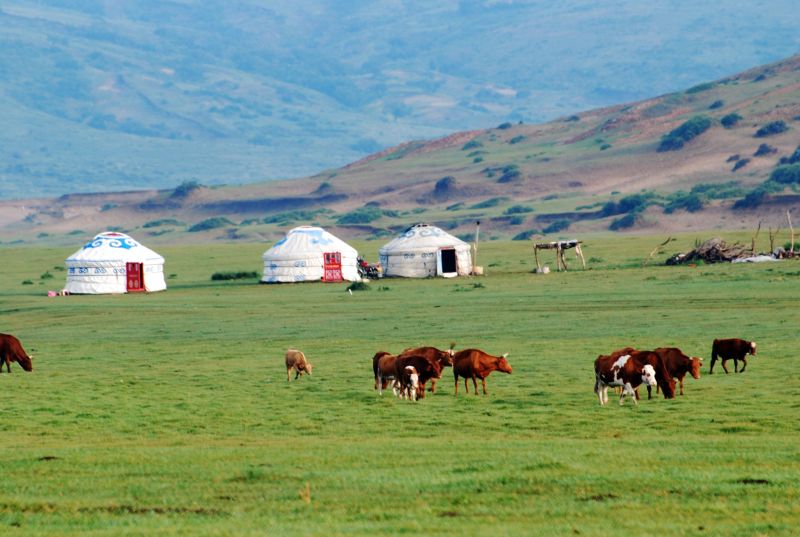
Rangelands play a key role in supporting Mongolia’s pastoralist economy and culture; but what is pastoralism?
Pastoralism is a way of life and form of agriculture which revolves around the herding of livestock animals such as horses, cattle, sheep, goats and camels. In ecosystems such as Mongolia’s steppes and deserts, pastoralism allows communities to live in places that may not otherwise be able to support agriculture. Almost one-third of Mongolia’s population is engaged in pastoralism, allowing them to produce animal protein such as meat and milk as well as materials for sale such as cashmere and hides.
The pastoralism lifestyle has also profoundly affected Mongolia’s history and culture. Many traditional practices, such as the use of ger/yurts, respect for nature, and an understanding of animals and pastureland, are informed by pastoralism. In the 21st century, these traditions continue, and also contribute to Mongolia’s tourism industry as visitors seek cultural experiences.
Understanding the human impacts of rangelands highlights the importance of monitoring and management of these landscapes. Rangelands form the basis for Mongolia – feeding both people and culture.